
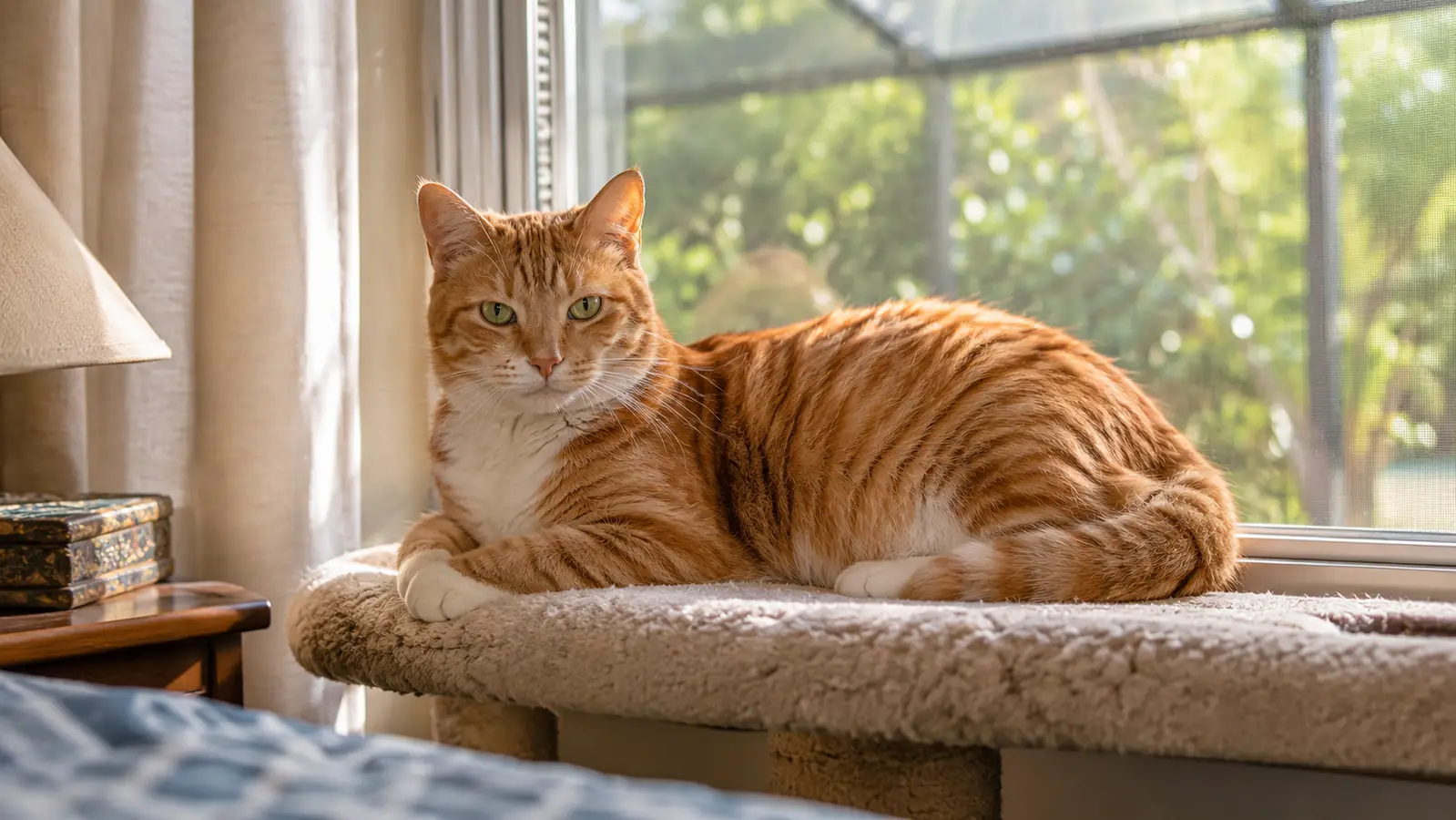
Biscuit stopped jumping onto the bedroom windowsill last spring. No fall, no yowl, no drama. He just started sitting on the floor underneath it and looking up, then taking the stairs one careful step at a time with his back end tucked low. He is a 14-year-old orange tabby, about eleven pounds, and our vet found mild arthritis in his hips and back legs. I spent 22 years as a veterinary technician before I retired to Sarasota. I knew exactly what I was looking at, and I still tried to fix it with food first.
That is how I ended up reading the label on Pet Honesty Vet Backed Senior Cat Joint Supplement, a chicken-flavored chew that comes in a 300 count container. Not because a chew is magic. Because with cats, the supplement your cat actually swallows is the only one that does a thing. Everything else is pricey powder going stale at the back of a cabinet. I have watched a lot of owners, and a fair number of cats, give up on joint support for the same boring reason: the cat stopped eating it. So here are ten reasons a chew suits a senior cat, written from the kitchen floor rather than from a lab.
Read the panel before you decide anything
Glucosamine HCl from a shellfish source, green lipped mussel, calcium fructoborate, manganese sulfate. Chicken flavor, 300 chews. Judge the label yourself.
Amazon Check Today's Price on Amazon →The dose arrives disguised as a treat
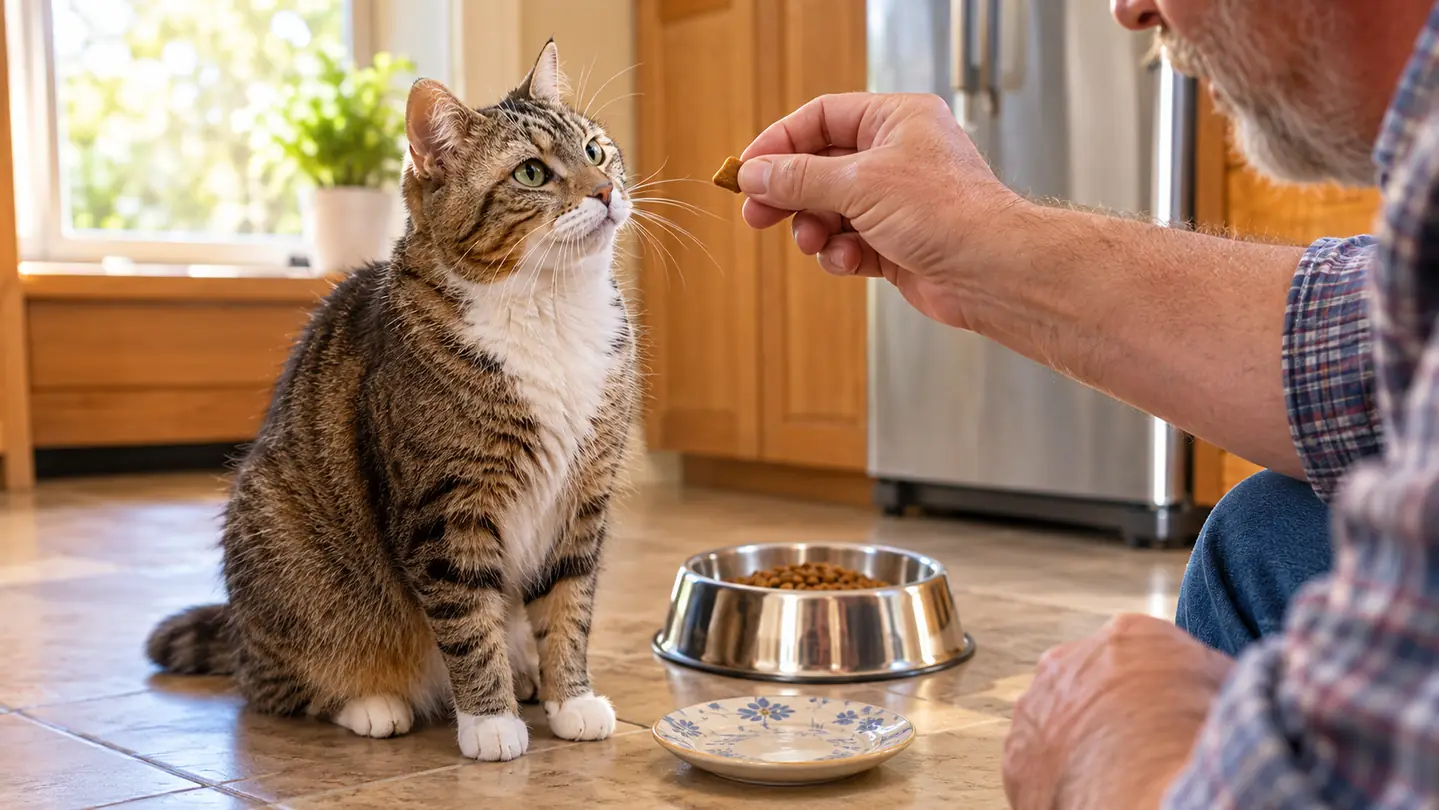
Biscuit gets a small plate on the counter every morning and he knows the sound of it. A chew landing on that plate is the same event to him as anything else that lands there. That is the entire advantage. A senior cat who suspects a trick will walk away from a full bowl and then yowl at four in the morning as if you starved him. A chew format works with the habit instead of against it.
Chicken flavor is doing more work than the marketing copy
The listing says nine out of ten cats like the flavor, and I read palatability claims with one eyebrow up. But I have also stood in a clinic watching owners hand back three quarters of a tub of powder because the cat would not touch dinner with it mixed in. If a cat will not eat it, the ingredient panel is decoration. Chicken is the most reliable bet with cats, and this one is chicken.
You can see at a glance whether the dose went in
With a powder you are guessing. The cat eats half the bowl, or the food sits out and gets thrown away two hours later with the dose still in it. With a chew you know within thirty seconds. Either it is gone or it is on the floor. That sounds small. It is the difference between a supplement you can actually evaluate after eight weeks and one you only think you have been giving.
The active ingredients are the ones you would ask your vet about anyway
The label lists glucosamine HCl from a shellfish source, green lipped mussel, calcium fructoborate and manganese sulfate, and the listing bullets also mention chondroitin and omega 3 fatty acids. Glucosamine is the one most owners have heard of. Green lipped mussel is the one I would point at first, because it is a whole food ingredient rather than a single isolated compound. Nothing on this list is exotic. That is a compliment.
Green lipped mussel does two jobs in one line
One ingredient pulling double duty is worth a second look when your cat is 14 and you are already juggling a dental check, a weight conversation and a food he will not give up. Green lipped mussel is a natural source of omega 3 fatty acids, which the listing calls out on its own as well. I would rather see a whole food source in a senior formula than a longer list of isolates, because the whole food version arrives with the cofactors attached.
Nobody has to pill a cat with sore hips
Pilling a cat is a two person job on a good day. Pilling a cat with arthritis in his back legs means holding him in exactly the position that hurts, and he will remember. I have the scars, literally, from 22 years of it. A chew removes the wrestling match entirely. That is not a small convenience for an owner in her sixties with a cat who has learned to brace against the counter and go boneless.
No scoop, no fridge, no measuring at six in the morning
The container is 7.05 by 4.37 by 1.18 inches and weighs about 3.88 ounces, so it fits on the counter beside the treat jar instead of disappearing into a drawer. No scoop to lose, no tub of powder to keep sealed and cool, no half teaspoon to eyeball while you are still in your robe. The simpler the delivery, the more days in a row it actually happens, and consistency is most of the battle with joint support.
300 chews is a long runway
A 300 count container means you are not reordering every two weeks, and you are not running out mid month and skipping a stretch while you wait. That matters more than people admit. The cat who gets a supplement for six weeks, goes without for three, then starts again is not a fair test of anything. Pet Honesty packed this in a size that lets you run an actual trial and judge it on the far end.
It slots into a senior cat plan instead of replacing it
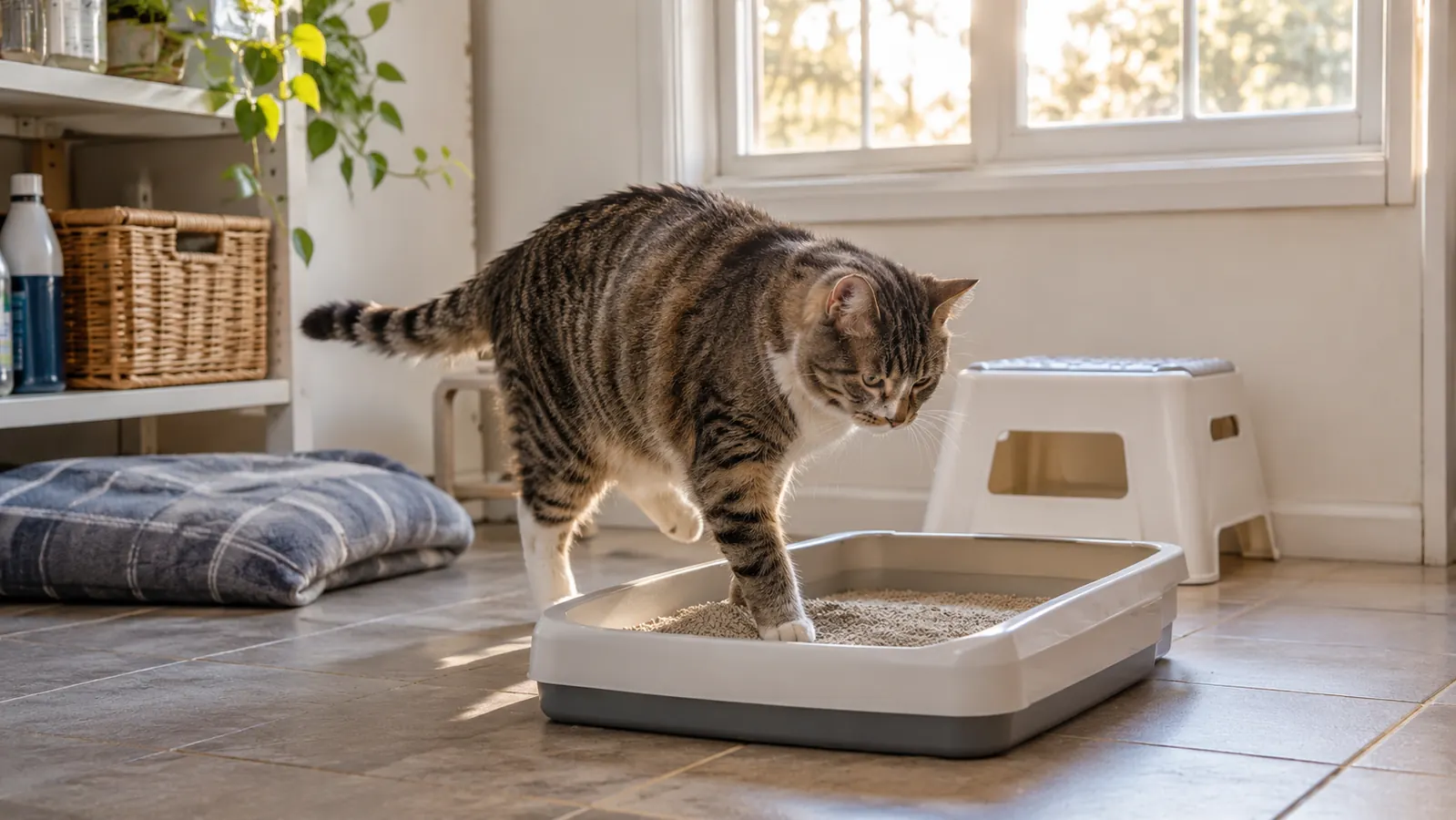
A chew does one job. Biscuit also got a low sided litter box, a step stool next to the sofa, an extra blanket on the lanai for the cool nights, and a frank conversation with our vet about his weight. None of that is optional and none of it is replaced by a supplement. What a joint chew can do is support comfort and mobility alongside those changes. Results vary, and anything promising more than that is selling you a story.
The stakes stay where they belong
I have watched owners buy the wrong thing for years because someone online called it a fix. This is not a fix. Arthritis in a 14-year-old cat does not reverse, and any label suggesting otherwise belongs back on the shelf. What you are buying is a reasonable shot at supporting joint comfort, in a format your cat will accept, at a dose you can confirm he actually swallowed. That is a modest and honest ask, and it is the one worth making.
Nine out of ten cats liking the flavor sounds like marketing until you have watched a cat walk away from a bowl of food with powder in it. Then it is the only number on the label that matters.
What I'd Skip
I would skip this chew if your cat has dental trouble. The listing gives the item form as crunchy bites, and a cat with a sore mouth or missing teeth may need them broken into smaller pieces, or may need a different delivery altogether. I would skip it if your cat turns his nose up at chicken, because the best panel in the world does nothing from the bottom of a bowl. And I would skip it if you have not had your vet look at the cat first, since arthritis is not the only reason a senior cat stops jumping.
That last one is the part I care about most. Hip pain, dental pain, kidney disease and plain old reluctance all look similar from across the room. A supplement trial is not a diagnosis. Get the exam, get the baseline, then decide whether Pet Honesty or anything else belongs in the routine at all.
If your cat will take a chew, the rest is just consistency
Chicken flavor, 300 count, and a panel you can read in under a minute. Give it eight weeks before you judge it, and call your vet first.
Amazon Check Today's Price on Amazon →